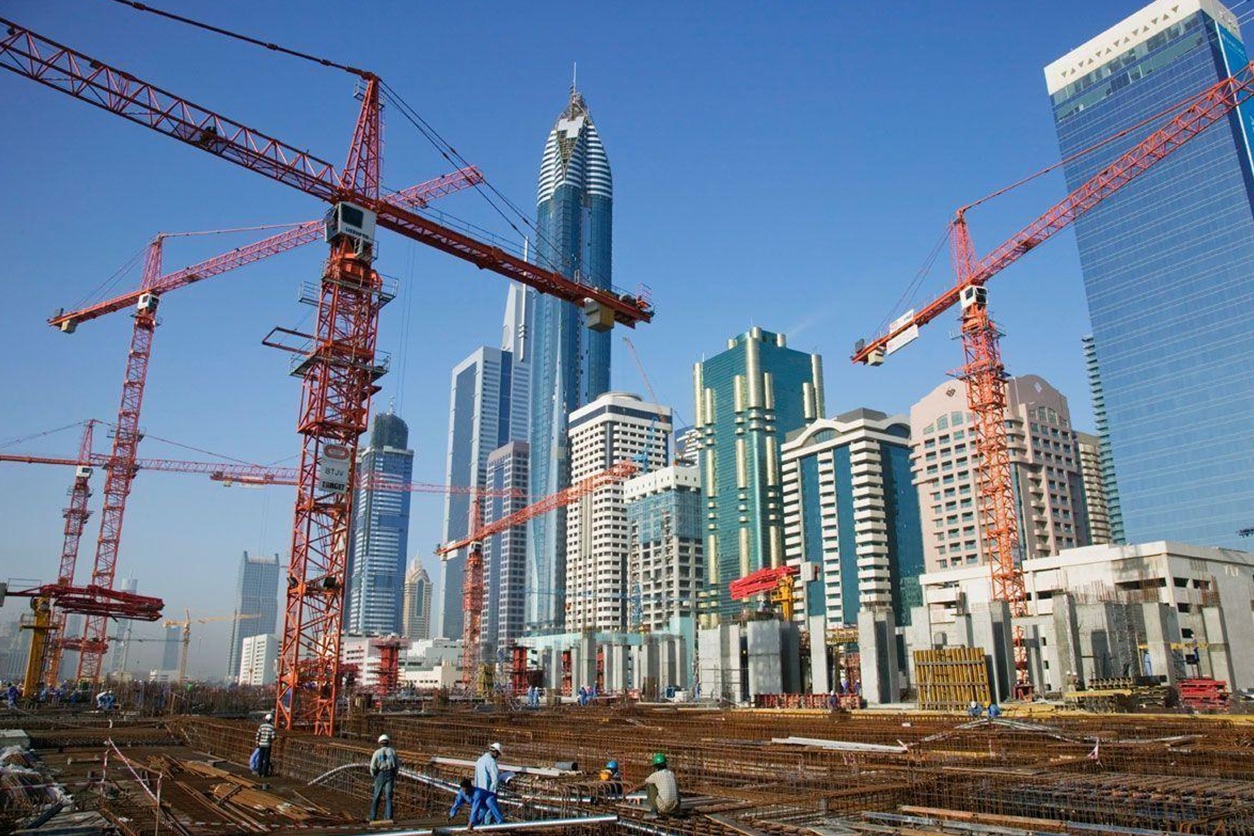
Construction Legal Lawyers in Dubai can help developers, contractors, subcontractors and property owners understand their contractual obligations before entering a construction project. Construction projects often involve significant financial commitments, strict deadlines, technical specifications and several parties working together. Reviewing the agreement carefully before signing can help identify potential risks and clarify each party’s responsibilities.
A construction contract sets out the agreed work, payment arrangements, project deadlines, quality requirements and procedures for dealing with disagreements. If these terms are unclear or incomplete, misunderstandings can develop into costly construction disputes.
Construction contract review in Dubai helps businesses and property professionals understand the terms of an agreement, identify potential risks and clarify important obligations before a project begins. With appropriate legal guidance, parties can make informed decisions and establish a clearer framework for managing the project.
HN Legal Consultants provides legal consultancy services in construction law and related commercial matters. This guide explains the key clauses to review, common contractual risks and how legal advice can help businesses manage construction agreements in Dubai and across the UAE.
What Is Construction Contract Review?
Construction contract review is the process of examining a construction agreement to understand its legal terms, responsibilities, risks and potential consequences. The review may take place before a contract is signed or when an existing agreement needs to be assessed because of a disagreement, project change or other concern.
Construction agreements can vary depending on the type and scale of the project. A contract for a residential renovation may differ considerably from an agreement involving a large commercial development, infrastructure project or specialist subcontracting work.
A construction contract review may cover:
- The scope of work and project specifications
- Contract price and payment schedules
- Project milestones and completion deadlines
- Variations and additional work
- Delay provisions and extensions of time
- Defects, inspections and quality standards
- Warranties and indemnities
- Insurance and liability provisions
- Termination and suspension rights
- Dispute resolution procedures
The purpose is to help the parties understand what they are agreeing to, identify clauses that may require clarification and determine whether additional contractual protections should be considered.
Why Is Construction Contract Review Important in Dubai?
Dubai’s construction sector involves developers, consultants, contractors, subcontractors, suppliers and property owners. Each party may have different responsibilities, and the contractual documents need to reflect how these responsibilities fit together.
A carefully reviewed contract can help clarify expectations before work begins. It can also establish procedures for managing changes, addressing delays and resolving disagreements if the project does not proceed as planned.
1. Clarifying Each Party’s Responsibilities
Construction projects often involve several parties working towards the same completion date. If responsibilities are not clearly defined, disagreements may arise over who must provide materials, complete particular tasks, obtain approvals or coordinate different stages of the work.
A contract review helps identify whether the scope of work and each party’s obligations are clearly documented.
2. Reducing Payment Disputes
Payment disagreements can arise when invoices, milestones, variations or approval procedures are unclear. A well-structured agreement should explain when payments become due, what documentation is required and how disputed amounts will be handled.
Reviewing these provisions before signing can help businesses understand their financial commitments and reduce uncertainty during the project.
3. Managing Delays and Completion Dates
Construction delays may result from design changes, late approvals, supply issues, unforeseen site conditions or other circumstances. Contracts should explain how delays are assessed and what procedures apply when the agreed programme changes.
Clear provisions can help the parties understand their responsibilities and the steps required to request an extension of time, where applicable.
4. Understanding Legal and Financial Risks
Some contractual clauses can create significant financial exposure. These may include indemnities, liability limitations, delay damages, performance guarantees and termination provisions.
A legal review can help explain how these clauses operate, what risks they may create and whether their wording requires further consideration.
Key Clauses to Check in a Construction Contract
Before entering a construction agreement, it is important to examine the provisions that will govern the project’s cost, timing, quality and legal responsibilities.
1. Scope of Work and Project Specifications
The scope of work describes what the contractor is expected to deliver. It may cover construction activities, materials, technical specifications, drawings, quality standards and project milestones.
An unclear scope can lead to disputes about whether additional work is included in the original price or should be treated as a variation.
Before signing, check that the contract identifies the work clearly and explains how specifications, drawings and other project documents form part of the agreement. It is also important to understand which document takes priority if different documents contain inconsistent terms.
2. Contract Price and Payment Terms
Payment clauses should explain the agreed price and how payments will be calculated and made. Depending on the project, the agreement may include advance payments, progress payments, milestone payments, retention amounts or final payments.
Important questions include:
- When does each payment become due?
- What supporting documents are required?
- Who must certify completed work?
- How are disputed invoices handled?
- Are retention amounts or deductions applicable?
- What happens if a payment is delayed?
Clear payment provisions can help both parties manage cash flow and reduce the risk of construction payment disputes in the UAE.
3. Project Deadlines and Completion Dates
Construction agreements commonly establish commencement dates, interim milestones and a final completion date. They may also explain the process for approving changes to the project programme.
Check whether the contract defines how completion will be measured and what happens if the work is delayed. The agreement should explain how requests for extensions of time must be submitted and assessed.
Where delay damages or other financial consequences are included, the wording should be reviewed carefully to understand when those provisions may apply.
4. Variations and Additional Work
Construction projects can change after work begins. A developer may request a different finish, design changes may become necessary, or site conditions may require additional work.
The contract should explain who can approve a variation, how the additional cost will be calculated and whether the completion date may be affected.
A written variation process can help prevent disagreements about whether work was authorised, what it should cost and who is responsible for payment.
5. Defects, Quality Standards and Rectification
Contracts should establish the expected quality of the work and the process for identifying and correcting defects.
Review the provisions dealing with inspections, testing, handover, defect notifications and rectification responsibilities. It is also important to understand any contractual warranty periods and how they interact with applicable legal requirements.
Clear procedures can help the parties deal with workmanship concerns and avoid uncertainty about responsibility after practical completion.
6. Liability, Indemnities and Insurance
Liability and indemnity clauses can affect who bears the cost of certain losses, claims or damage connected with a construction project.
Insurance provisions may also specify the types of cover required, minimum coverage levels and which parties must maintain the policies.
These clauses should be assessed in the context of the project and the responsibilities of each party. Businesses should understand the extent of their potential exposure and check that the contract’s insurance requirements are appropriate.
7. Termination and Suspension Rights
Construction agreements should explain when a party may suspend work or terminate the contract. Relevant circumstances may include serious contractual breaches, prolonged non-payment or other events specified in the agreement.
Check whether the contract requires written notice, provides an opportunity to remedy a breach or sets out particular termination procedures.
It is also important to understand the financial consequences of termination, including payment for completed work, outstanding amounts, materials and any other contractual obligations.
8. Dispute Resolution Clauses
Construction disputes can involve payment, delays, defects, variations or the interpretation of contractual terms. The agreement should establish the procedure for dealing with disagreements.
Depending on the contract, this may involve negotiation, mediation, expert determination, arbitration or court proceedings. The wording should be checked to understand whether particular steps must be followed before a formal claim can be made.
Where arbitration is selected, parties should carefully review the arbitration agreement, including the applicable rules, seat of arbitration and other procedural provisions.
Legal advice can help businesses understand how the dispute resolution clause may operate if a disagreement arises.
Common Construction Contract Disputes in Dubai
Even when parties intend to work together successfully, unclear contract terms or unexpected project developments can lead to disagreements.
Construction Payment Disputes
Payment disputes may arise over unpaid invoices, disputed work valuations, retention amounts or additional costs. The relevant contract, payment records and supporting documents are often important when assessing the issue.
Construction Project Delays
Delays can lead to disagreements about responsibility, extensions of time and contractual consequences. The outcome depends on the contract provisions, project records and circumstances that caused the delay.
Defective Workmanship
A developer or property owner may raise concerns about materials, workmanship or whether the completed work meets the agreed specifications. Contracts should establish how defects are identified, reported and corrected.
Variation and Additional Cost Disputes
Disagreements may arise when one party considers certain work to be included in the original price while another treats it as additional work. Written approvals, variation notices and project correspondence can be important when assessing these disputes.
Contract Termination Disputes
A disagreement may develop when one party seeks to terminate or suspend a contract and the other disputes whether the required conditions have been met. Before taking action, parties should understand the contract’s notice requirements and potential consequences.
If a construction dispute has already developed, reviewing the contract and preserving relevant records can help establish the issues that need to be addressed.
What Is the Role of FIDIC Contracts in Dubai Construction Projects?
FIDIC contracts are standard forms commonly used in international construction and engineering projects. Depending on the project and the form selected, they may address the employer’s and contractor’s obligations, project administration, payment, variations, delays and dispute resolution.
However, a FIDIC contract should not be assumed to apply automatically to every construction project in Dubai. Parties may use different forms of agreement, and FIDIC terms may be amended through project-specific conditions.
Where a FIDIC-based agreement is used, it is important to review both the standard provisions and any amendments made for the particular project. Special attention may be needed for notice deadlines, claims procedures, extensions of time, payment certification and dispute resolution.
Construction Legal Lawyers in Dubai can help parties understand their contractual requirements and identify provisions that may need further attention before the agreement is signed.
How Can Construction Legal Lawyers in Dubai Help?
Construction Legal Lawyers in Dubai can assist businesses and individuals with legal questions arising from construction agreements and projects. The exact services available depend on the legal provider’s practice, professional authorisation and the nature of the matter.
Construction-related legal support may include:
- Reviewing construction contracts before signing
- Advising on payment terms and contractual obligations
- Examining variation and extension-of-time provisions
- Reviewing liability, indemnity and insurance clauses
- Advising on contract breaches and termination issues
- Helping parties understand dispute resolution procedures
- Reviewing supporting documents in construction disputes
- Advising on construction-related commercial agreements
Obtaining legal advice early may help parties identify unclear terms before they become a source of disagreement. If a dispute has already arisen, a review of the contract and related project records can help clarify the issues and available options.
Construction Law Services at HN Legal Consultants
HN Legal Consultants provides legal consultancy services across a range of commercial and business matters, including construction law. Businesses and individuals can contact the firm to enquire about construction contract review, contractual concerns and construction-related legal issues.
Construction agreements often overlap with other legal matters, including commercial contracts, payment obligations, project responsibilities and dispute resolution. Understanding these connections can be important when reviewing an agreement or assessing a disagreement between project participants.
If you are preparing to sign a construction agreement or have concerns about the terms of an existing contract, visit the firm’s dedicated service page:
Construction Legal Lawyers in Dubai – HN Legal Consultants
How to Prepare for a Construction Contract Review
Preparing the relevant information before seeking legal advice can make the review more focused and efficient.
Gather the contract documents. Include the draft or signed agreement, schedules, specifications, drawings and any amendments.
Identify your main concerns. Make a list of clauses that seem unclear or create financial, timing or operational risks.
Collect related correspondence. Emails, notices, variation requests and payment records may help explain the background to the agreement.
Clarify your responsibilities. Identify whether you are acting as a developer, contractor, subcontractor, consultant or property owner.
Ask about the review scope. Confirm whether the review covers the main contract only or also related documents, guarantees, insurance requirements and project-specific conditions.
These steps can help you understand the review process and identify the issues that require attention.
Frequently Asked Questions
What is construction contract review in Dubai?
Construction contract review involves examining an agreement to understand the parties’ obligations, payment arrangements, deadlines, liability provisions and dispute resolution procedures. It can help identify unclear terms and potential risks before the contract is signed.
Why should I have a construction contract reviewed before signing?
A review can help you understand your contractual commitments, identify provisions that may expose you to financial or legal risks and clarify how changes, delays and disagreements will be handled.
Can construction lawyers help with payment disputes?
A construction lawyer may review the contract, invoices, payment records and relevant correspondence to help explain the parties’ contractual positions and available options. The appropriate approach depends on the circumstances and applicable law.
What should I check in a construction contract?
Pay particular attention to the scope of work, payment terms, completion dates, variations, defects, liability, insurance, termination rights and dispute resolution procedures.
Are FIDIC contracts used in Dubai?
FIDIC forms are used in some construction and engineering projects, but their use depends on the agreement. The contract and any project-specific amendments should be reviewed to understand the obligations that apply.
When should I contact Construction Legal Lawyers in Dubai?
Consider seeking advice before signing a significant construction agreement, when negotiating important contract terms or when a disagreement develops over payment, delays, defects or contractual responsibilities.
Conclusion
Construction contract review in Dubai is an important step for developers, contractors, subcontractors and businesses entering construction agreements. Understanding the scope of work, payment arrangements, deadlines, liability provisions and dispute resolution procedures can help parties make informed decisions before committing to a project.
Whether you are preparing a new agreement or reviewing an existing contract, legal guidance can help clarify the terms and identify potential concerns. Taking the time to understand contractual obligations may reduce uncertainty and help businesses manage construction-related risks more effectively.
HN Legal Consultants provides legal consultancy services in construction law and related commercial matters. Visit the firm’s construction law service page or contact the team to enquire about assistance relevant to your project.
HN Legal Consultants
Website: https://www.hnlegal.ae/
Construction service: https://www.hnlegal.ae/construction-legal-lawyers-in-dubai/
Phone: +971 4 871 4532
Email: inquiry@hnlegal.ae