Construction projects in the UAE are booming, from luxury towers in Dubai to mega infrastructure developments in Abu Dhabi. But when multi-million-dirham projects hit a snag, disputes can quickly derail timelines and inflate costs. Delays, payment issues, and disagreements over project quality have made construction disputes in the UAE all too common. Knowing your legal remedies and arbitration options isn’t just smart; it’s essential. This guide walks developers, contractors, and investors through the common causes of disputes, available legal solutions, why arbitration is often preferred, and practical steps to prevent and resolve conflicts.
Common Causes of Construction Disputes
Construction disputes in the UAE often stem from a combination of technical, financial, and contractual issues. The most frequent causes include,
- Delayed Project Completion: Projects not delivered on time can lead to penalties, financial losses, and tension between stakeholders.
- Defective Work: Poor workmanship or use of substandard materials often triggers disputes, especially when quality standards are clearly defined in the contract.
- Payment Delays: Contractors and subcontractors may face delays in receiving payments, which can halt progress and escalate disagreements.
- Unclear Contract Terms: Ambiguities in contracts, such as unclear scopes of work or responsibilities, often lead to differing interpretations.
- Regulatory Non-Compliance: Failure to adhere to UAE building codes, safety standards, or municipal regulations can result in disputes with authorities or project partners.
- Miscommunication: Ineffective coordination among project stakeholders, from architects to contractors, can amplify misunderstandings and conflicts.
Proactive management, careful contract drafting, and consistent documentation can help minimize these risks, but disputes may still arise due to the scale and complexity of UAE construction projects.
Legal Remedies in the UAE
The UAE offers a structured legal framework to address construction disputes. Parties can choose between litigation, mediation, or arbitration, depending on the nature and urgency of the dispute.
1. Litigation in UAE Courts
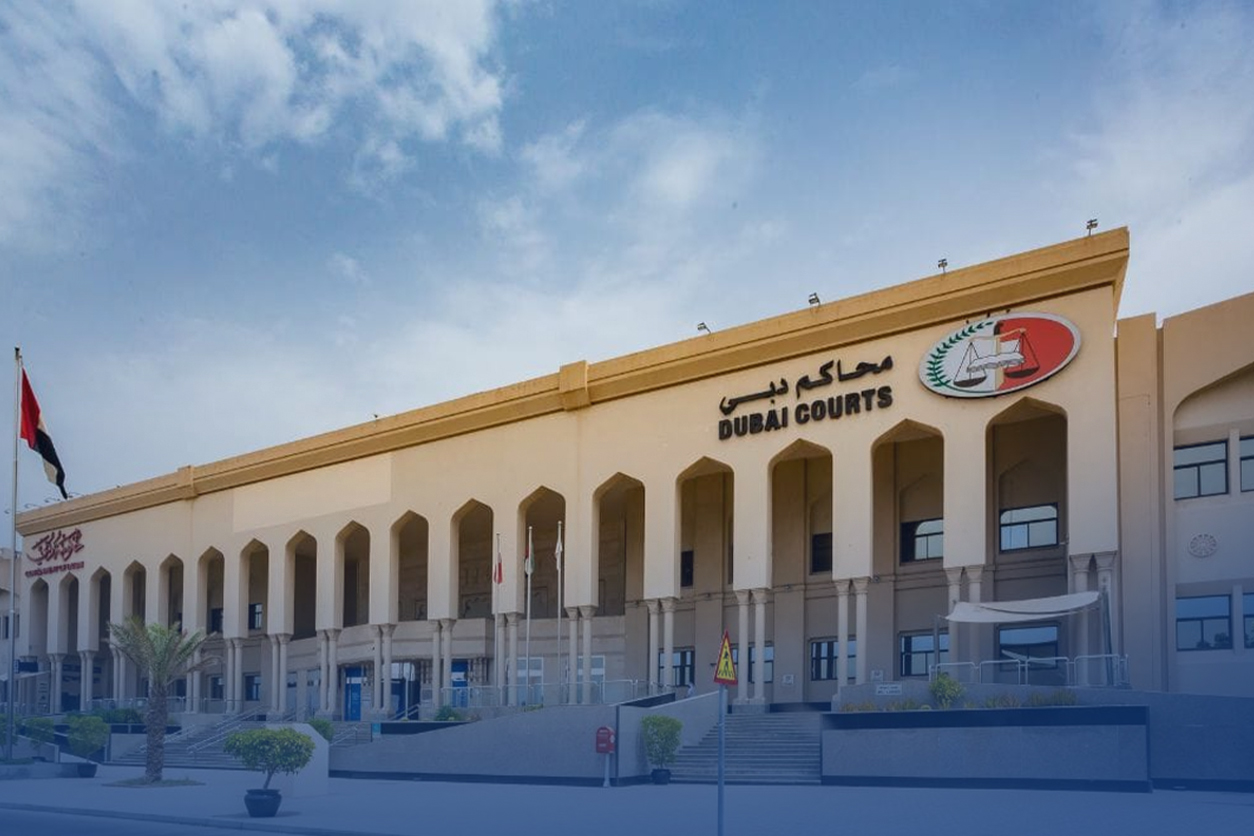
Litigation involves filing a case in civil courts, typically through the local courts in the emirate where the project is located. Courts examine evidence, review contracts, and issue binding judgments enforceable throughout the UAE. Litigation is often formal, time-consuming, and public, but it may be necessary for large claims or cases involving complex contractual interpretations.
2. Mediation
Mediation is a voluntary process where a neutral third party helps the disputing parties negotiate a settlement. It is less formal than litigation, flexible, and confidential. While the mediator does not issue binding decisions, mediation can preserve business relationships and reduce costs, making it a preferred first step before formal legal proceedings.
3. Arbitration
Arbitration is a private dispute resolution process where parties appoint one or more arbitrators to issue a binding decision. It is commonly used in the UAE due to its speed, confidentiality, and enforceability. Arbitration can be tailored to the specific technical requirements of construction disputes, often with arbitrators who have industry expertise.
Why Arbitration is Preferred
Arbitration has become the preferred method for resolving construction disputes in the UAE for several reasons.
- Expertise in Technical Matters: Arbitrators often have specific knowledge in construction, engineering, or project management, enabling informed decisions.
- Time Efficiency: Arbitration usually proceeds faster than court litigation, helping parties resume projects sooner.
- Confidentiality: Unlike court cases, arbitration proceedings are private, protecting sensitive business information and reputations.
- International Enforceability: Arbitration awards in the UAE are enforceable globally under the New York Convention, which is particularly important for international developers or cross-border projects.
- Flexibility: Parties can agree on procedures, governing law, and choice of arbitrators, giving them more control over the process than in a rigid court system.
Because of these advantages, most commercial and construction contracts in the UAE include arbitration clauses, often referring disputes to centers such as the Dubai International Arbitration Centre (DIAC), Abu Dhabi Global Market (ADGM) Arbitration Centre, or DIFC-LCIA Arbitration Centre.
Practical Steps to Avoid and Resolve Disputes
Preventing construction disputes is always better than resolving them. Here’s what you can do to minimize risks and manage conflicts effectively.
- Clear Contracts: Draft detailed contracts specifying scope, timelines, payment schedules, quality standards, and penalties for delays.
- Documentation: Maintain accurate records of work progress, materials used, and communications between stakeholders.
- Effective Communication: Regular project meetings and clear reporting channels help prevent misunderstandings.
- Early Issue Resolution: Address concerns promptly before they escalate into legal disputes.
- Use of ADR (Alternative Dispute Resolution): Consider mediation or arbitration early, especially when technical or international elements are involved.
- Legal Advice: Consult experienced construction law experts to review contracts and advise on dispute resolution strategies.
Taking these proactive measures can reduce litigation costs, protect relationships, and ensure projects stay on schedule.
Protect Your Projects: Resolve UAE Construction Disputes Effectively
Construction contract disputes are common in the UAE due to complex projects and high stakes. However, the UAE legal system provides multiple remedies, with arbitration being a highly effective option for timely, confidential, and enforceable resolutions. By combining clear contracts, proper documentation, and early conflict management, stakeholders can protect their investments and maintain smooth project execution.
Don’t let disputes drain time or money. Reach out to HN Legal for fast, effective solutions in UAE construction law and secure your project’s success.
Construction Disputes in the UAE: Your Top Questions Answered
What are the most common construction disputes in the UAE?
The most frequent disputes involve delayed completion, defective work, payment delays, unclear contract terms, and regulatory non-compliance.
Why is arbitration preferred over litigation in UAE construction disputes?
Arbitration is faster, confidential, allows industry experts to resolve technical disputes, and produces internationally enforceable awards, making it ideal for cross-border projects.
Are arbitration awards enforceable internationally?
Yes. UAE arbitration awards are generally enforceable worldwide under the New York Convention, making them reliable for international contractors and developers.
Which arbitration centers handle construction disputes in the UAE?
Main arbitration centers include DIAC, ADGM Arbitration Centre, and DIFC-LCIA, all of which specialize in construction and commercial disputes.
How can parties reduce the risk of disputes?
Using clear contracts, maintaining proper documentation, ensuring timely communication, and adopting early conflict resolution measures significantly reduce the likelihood of disputes.